

As AI Enters Classrooms, Dr.Look Ai Introduces Five Child-Friendly AI Principles
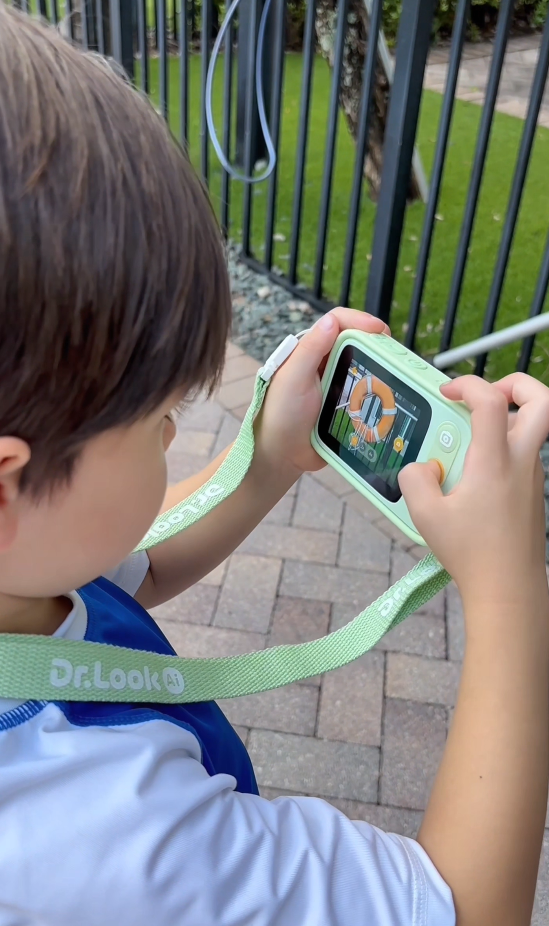
Dr.Look Ai turns a day at the park into a screen-smart learning adventure—helping children look up, explore the real world, and learn through curiosity instead of passive scrolling.
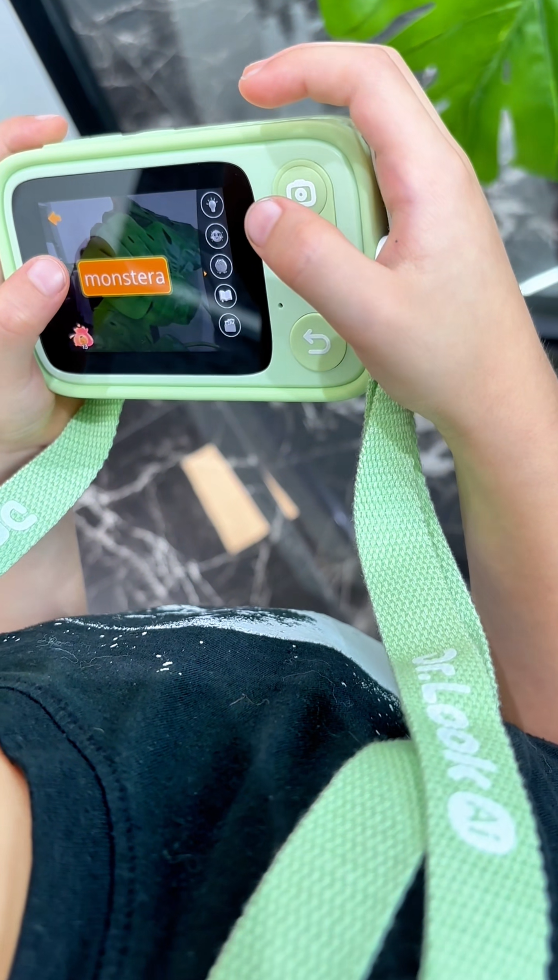
From plants to everyday objects, Dr.Look Ai uses AI to transform the world around children into an interactive classroom, making screen time more active, purposeful, and educational.
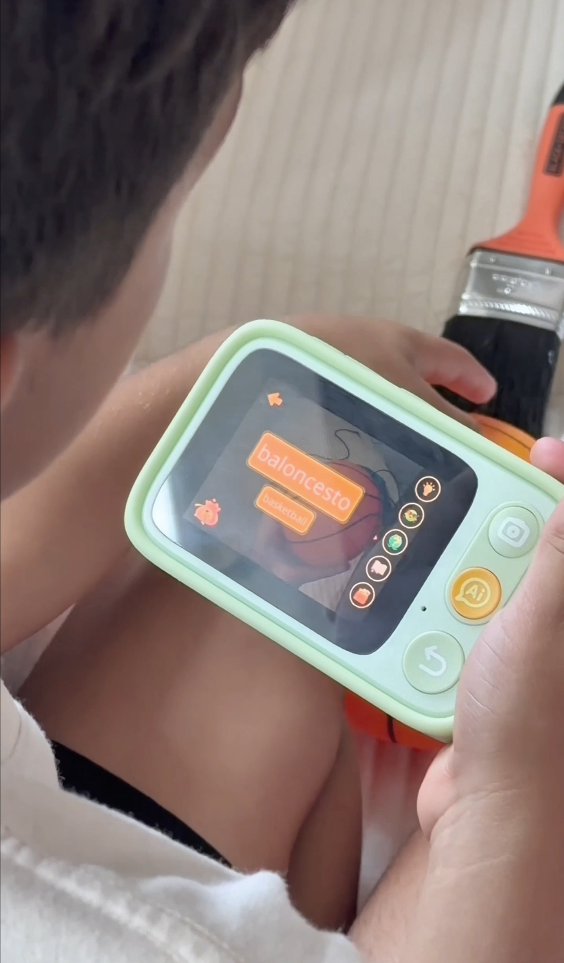
One object can open the door to a whole new language. Dr.Look Ai combines visual discovery with multilingual learning, supporting vocabulary development at home and in the classroom.
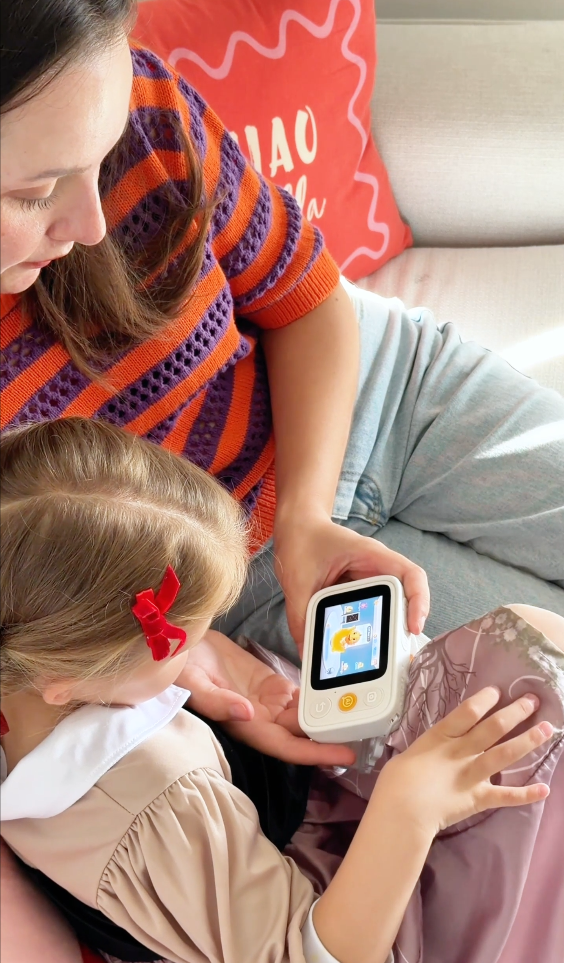
As AI becomes part of modern education, Dr.Look Ai offers a child-friendly, screen-smart way to introduce it—supporting guided exploration, shared learning, and meaningful classroom discovery.

Dr.Look Ai logo
Five principles outline a human-centered role for AI that supports adults, encourages questions and begins with the world children can see and touch.
The principles arrive as school systems consider materially different uses of AI ahead of the 2026–27 academic year. In upstate New York, Salamanca City Central School District paused a planned humanoid-robot pilot while it works through student-data privacy agreements and community engagement. In Houston, two Future 2 schools are preparing a model that combines teacher-led coursework and experiences with an optional AI-driven learning platform for eligible students.
Federal education materials point in a similar direction. A January 2026 U.S. Department of Education article said leaders should clarify how AI will “augment, not replace, human educators,” while 2025 department guidance emphasized parent and teacher engagement in responsible AI adoption.
Dr.Look Ai is not taking a position on either program. The company believes the broader discussion points to a practical question for families, educators and technology makers: What role should AI play when children are learning?
“The question is not whether children will encounter AI, but what role it should play. AI should support parents, teachers and real-world discovery—not replace them. Its best role is to open a door to questions, then carry those questions back to people and places around them,” said Alice O., Brand Manager at Dr.Look Ai.
Five Principles for Child-Friendly AI:
1. AI should prompt questions, not replace thinking. A useful response should give a child a reason to observe, compare, ask why or investigate further.
2. AI should support adults, not impersonate them. Parents and teachers provide judgment, context, care and relationships that a device cannot reproduce.
3. AI should connect children to real objects and experiences. Technology can begin with a leaf, a street sign, a museum exhibit or another everyday discovery and encourage the child to keep looking.
4. child-facing AI needs clear boundaries. Purpose-built experiences can offer guided ways to ask and learn without an open web browser, social media or third-party ads.
5. parents should understand the environment their child is using. Product design and communication should explain how content and data are handled, what adult controls are available and where AI's limits begin.
These principles reflect the design goal behind the Dr.Look Ai Learning Camera for children ages 3–10. The screen-smart AI learning camera uses everyday objects as a starting point for age-appropriate explanations, quizzes, interactive stories and pronunciation activities that encourage real-world learning. Its child experience has no open web browser, no social media and no third-party ads. Because AI can make mistakes, Dr.Look Ai encourages parents to remain involved, review the experience and help children verify or discuss what they discover.
The framework also reflects the brand's origin among a small, hands-on team of fathers. They did not believe removing technology altogether was the answer; they wanted it to encourage children to look up, explore and continue the conversation with parents and teachers.
About Dr.Look Ai
Dr.Look Ai is a children's education technology brand that develops screen-smart tools for real-world exploration. Its AI learning camera is designed for children ages 3–10 and turns everyday objects into opportunities for child-friendly explanations and guided activities. Dr.Look Ai believes children's technology should support curiosity, adult involvement and shared discovery. Learn more at drlookai.ai.
Alice O.
Drlook E-commerce Limited
+1 551-222-1618
alice@drlookai.ai
Visit us on social media:
LinkedIn
Instagram
Facebook
YouTube
TikTok
X
A 1.1M-subscriber YouTube tech creator put Dr.Look Ai Learning Camera to the test.
Legal Disclaimer:
EIN Presswire provides this news content "as is" without warranty of any kind. We do not accept any responsibility or liability for the accuracy, content, images, videos, licenses, completeness, legality, or reliability of the information contained in this article. If you have any complaints or copyright issues related to this article, kindly contact the author above.
