

Katharine Towne Seeks Answers About Adoption of Emotional Support Cat Sheila
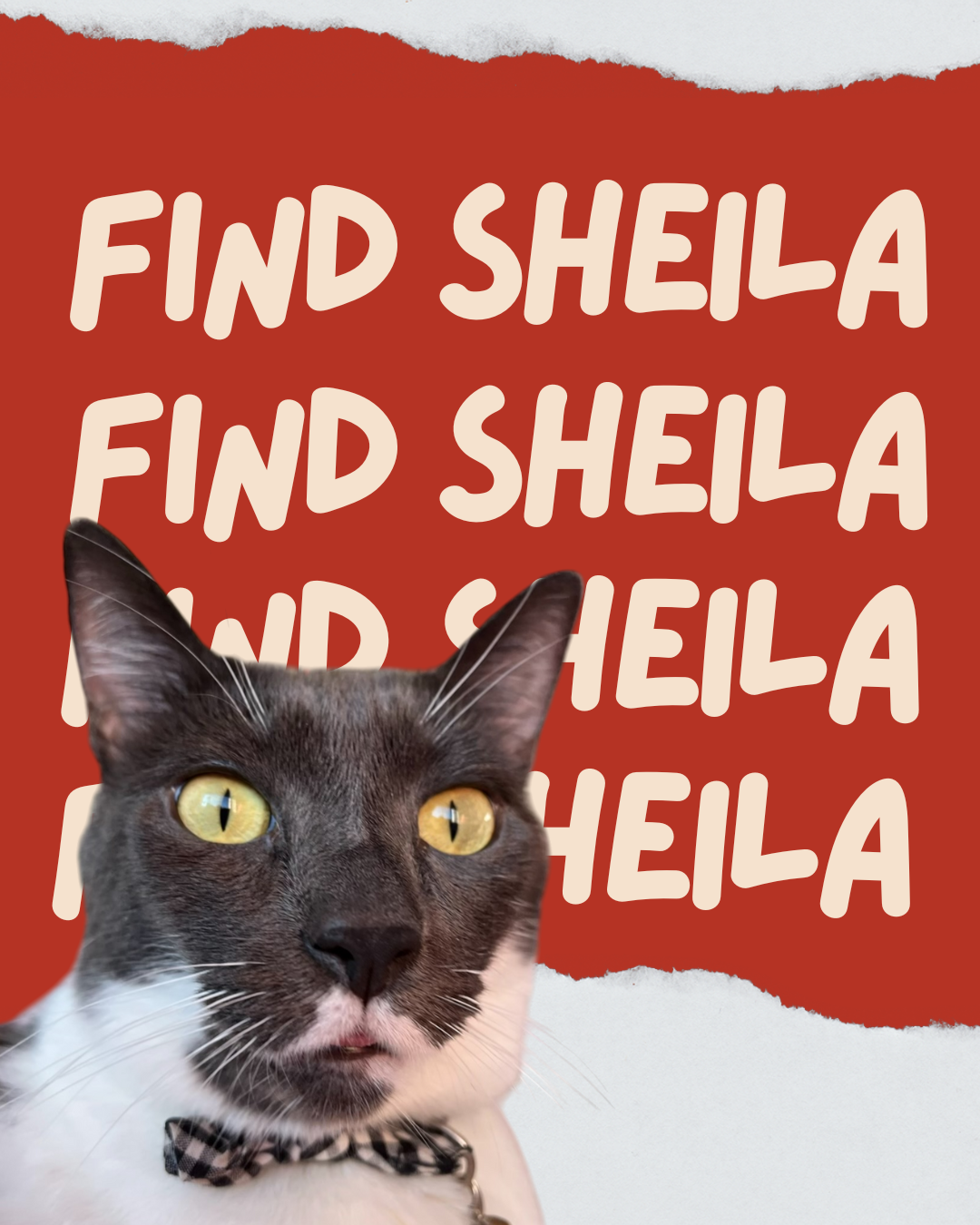
Katharine Towne Seeks Location of Emotional Support Cat, Sheila.
Actress and Advocate Katharine Towne, Daughter of Screenwriter Robert Towne, Seeks Answers After Rescue Adopted Out Emotional Support Cat During Medical Crisis
“I was devastated by the loss of my father, struggling severely with my health, and trying to get my cat of nearly a decade back,” Towne said.”
LOS ANGELES, CA, UNITED STATES, June 23, 2026 /EINPresswire.com/ -- Actress and advocate Katharine Towne is speaking publicly after nearly two years of private outreach, meetings, letters, legal correspondence, and efforts to understand and challenge how her cat, Sheila, was adopted out by Los Angeles-based rescue Santé D’Or Foundation. Towne, a disabled pet owner, says the rescue misled her during a medical crisis and adopted out her emotional support animal after she repeatedly requested his return.— Katharine Towne
Towne says Sheila, a medically fragile cat she rescued at just two days old and raised for over seven years, was not simply a pet but an emotional support animal and constant companion during years of escalating health challenges.
In spring 2024, Towne was navigating a severe neuromuscular disease, repeated episodes of sepsis, housing instability tied to mounting medical expenses, and the terminal illness of another one of her cats. Facing what she describes as a medical and personal crisis, she turned to Santé D’Or seeking help for Sheila while she stabilized her health and living situation.
“I was trying to stabilize a serious medical crisis,” Towne said. “I was doing everything I could to protect Sheila and bring him back to me.”
According to Towne, within days of entrusting him to the rescue, she reached back out and asked for him to be returned. She says the rescue representative said he could be fostered while she secured housing and that Sheila would remain in foster care for months and was in no danger of being adopted.
She says she made significant life decisions based on those assurances, including relocating to be closer to her doctors, Sheila’s veterinary specialists, and her support system so she could stabilize and bring him home safely.
After staying in communication with the rescue while navigating serious illness and attempting to move closer to her support system, Towne says she was “ghosted” and later informed Sheila would be adopted to another home.
“I asked for him back before he was adopted,” Towne said. “That’s what makes this so devastating.”
The timing of this was compounded by another profound loss. On July 1, 2024, Towne’s father, Academy Award-winning screenwriter and director Robert Towne, died while she was simultaneously trying to advocate for Sheila’s return.
“I was devastated by the loss of my father, struggling severely with my health, and trying to get my cat of nearly a decade back,” Towne said.
What followed, Towne says, was nearly two years of private outreach and legal efforts seeking accountability, transparency, and dialogue.
Towne says the experience has raised larger questions about rescue ethics and how nonprofit organizations treat pet owners experiencing serious illness, disability, or crisis. Towne says the question remains: in a town where hundreds of thousands of cats die on the streets every year or wait for homes, why rehome a cat that already had one?
Towne says the disparity became even more difficult to ignore during the Altadena fires, when Santé D’Or and other rescues publicly fostered animals for displaced families and celebrated reunification efforts.
“When I saw those reunification videos, I kept thinking, how am I any different?” Towne said. “I was sick, displaced, and trying to secure safe and stable housing for myself and my animals.”
Since sharing Sheila’s story publicly through the Instagram account @aboynamedsheila, Towne says she has heard from rescue workers, rescues, and pet owners who say temporary fostering arrangements for medically vulnerable owners are a known practice and should be handled with honesty, clarity, and compassion.
For Towne, the response has reinforced what she believes is a broader issue within rescue communities.
“When someone reaches out for help during illness or crisis, there has to be honesty about what’s happening,” Towne said. “People make life-changing decisions based on that trust.”
Now, after nearly two years of private efforts, Towne is taking her story public in hopes of generating wider conversation about nonprofit rescue accountability and transparency, disability rights, and the ethical responsibilities community-funded, tax-exempt animal welfare organizations have to vulnerable people who turn to them for help. For whom an emotional support animal can mean the difference between life and death.
She continues to seek any information about Sheila’s whereabouts and remains hopeful for honesty, accountability, and meaningful dialogue.
Laura Larkins
LeBL Creative Consulting
email us here
Visit us on social media:
Instagram
Legal Disclaimer:
EIN Presswire provides this news content "as is" without warranty of any kind. We do not accept any responsibility or liability for the accuracy, content, images, videos, licenses, completeness, legality, or reliability of the information contained in this article. If you have any complaints or copyright issues related to this article, kindly contact the author above.
